A Female Polymath in Baroque Rome: Plautilla Bricci and the Absent Legacy
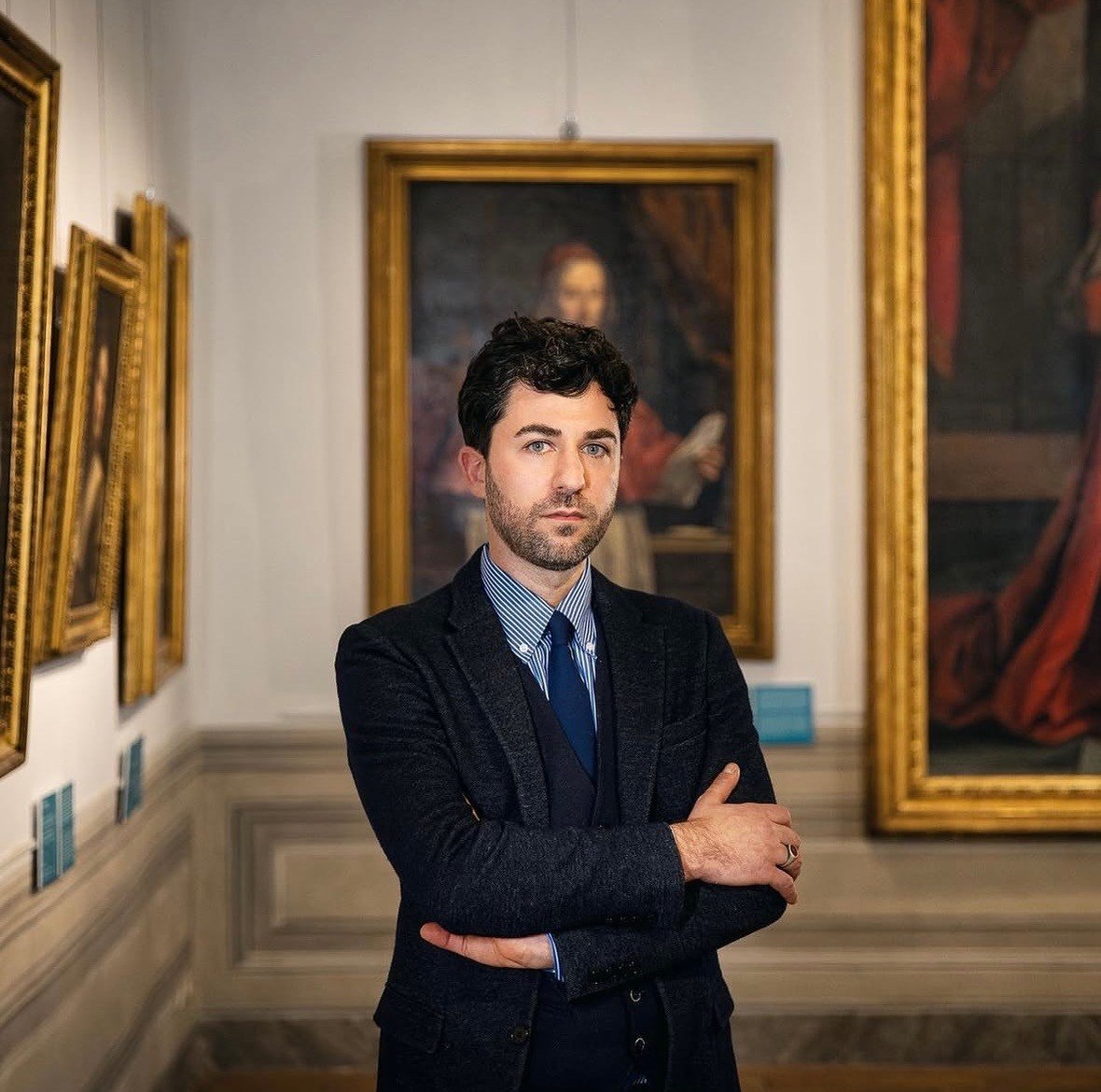
A lecture by Dr. Yuri Primarosa, Gallerie Nazionali di Arte Antica, Rome. This event takkes place as part of the IKA Lecture Series Winter 2026/27: Theories of Teaching Architectural History, curated by Angelika Schnell.
Not a wife, not a nun, not a spinster living with relatives, but a “free” woman and a lady, a painter, sculptor and architect (or better, “architectress”): Plautilla Bricci (1616-1692), recently brought to the attention of the greater public by a novel and an exhibition, challenged the labels that stifled the professional and social life of all her 17th-century female contemporaries. Her father, Giovanni (1579-1645), also a versatile artist, initially devised a very specific role for her that was quite unlike the one Artemisia Gentileschi was compelled to play by her father, Orazio. He did not teach her to master technique and painting from live models when she was an enfant prodige, factors that were crucial to Artemisia’s painting of licentious portraits of “strong women” in the image and likeness of the artist herself. Instead, he oriented her toward devotional painting, destining her for a life “forever as a virgin”.
Abbot Elpidio Benedetti (1610-1690) was the one who, starting in the 1660s, offered Plautilla the opportunity to establish herself as a famous architect and public painter, with the “Casino del Vascello” on Gianicolo Hill and a chapel in one of the most important churches in Rome. Their human and professional partnership was based on elective affinities and a close, life-long friendship.
The Old Mistresses are increasingly at the center of the scene today: conferences, studies, feature films, fiction, and high-profile popular science books continue to keep the spotlight on the female universe, focusing primarily on a dozen women artists who lived before the 19th century, sometimes linking their stories to the gender issues that ignite contemporary debate. Today's circumstances, which would make the figure of Plautilla more relevant than ever, must not induce us to look at this artist through the distorted lenses of the present. Indeed, the intention of this lecture, is not to deliver a new icon to history, but rather to deepen our knowledge of a hitherto little-known figure, reconstructing her human and professional profile in the pursuit of historical truth.