Viena Latina – Living between worlds
Today, around 20,000 people from Latin America and the Caribbean live in Vienna. They are active in many areas of city life and enrich Viennese culture in dynamic and diverse ways. Their varied migration experiences since 1945 have been collected as part of a large-scale, EU-funded project (CERV Program). The exhibition draws on these collected impressions and makes them accessible to a broad audience.
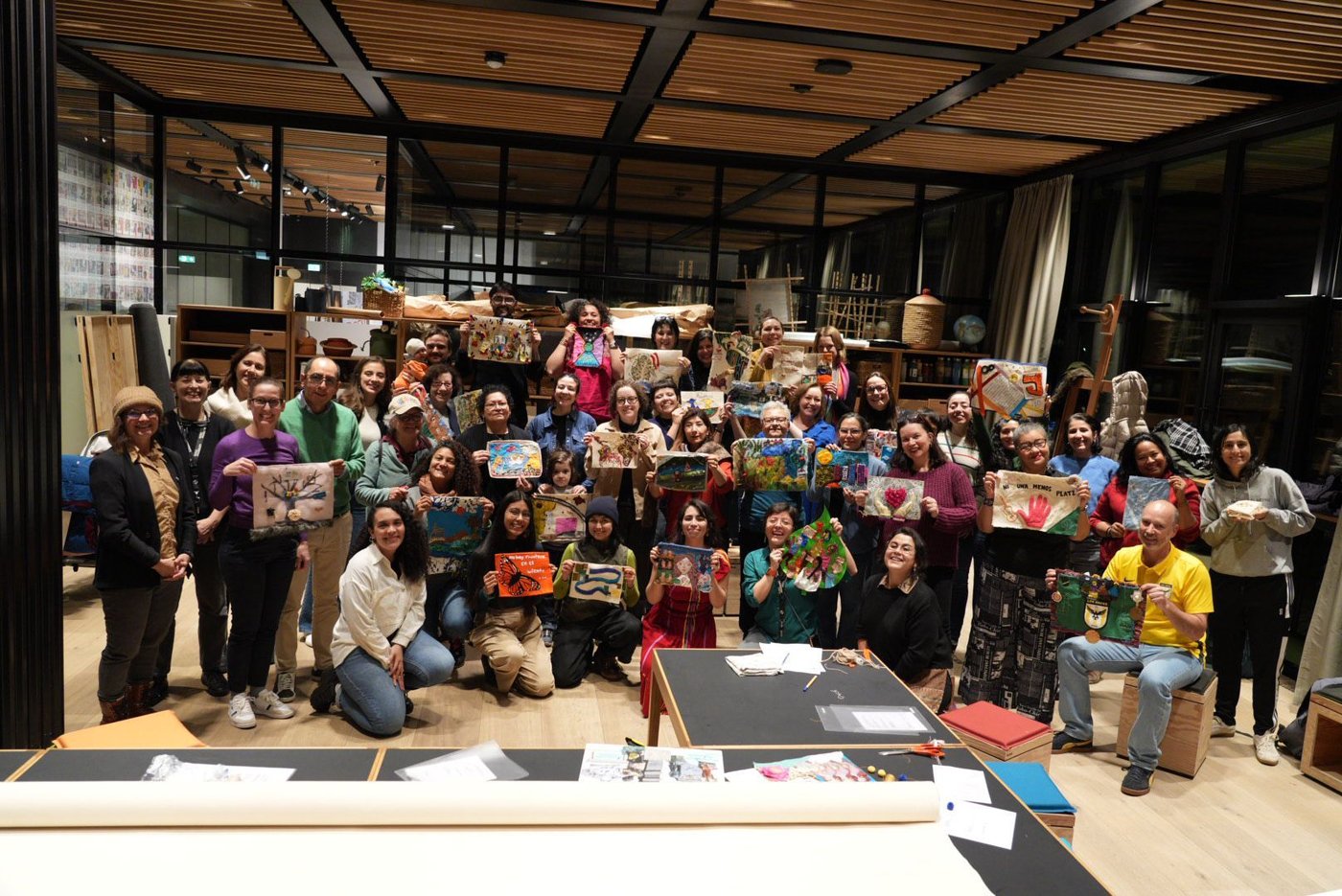
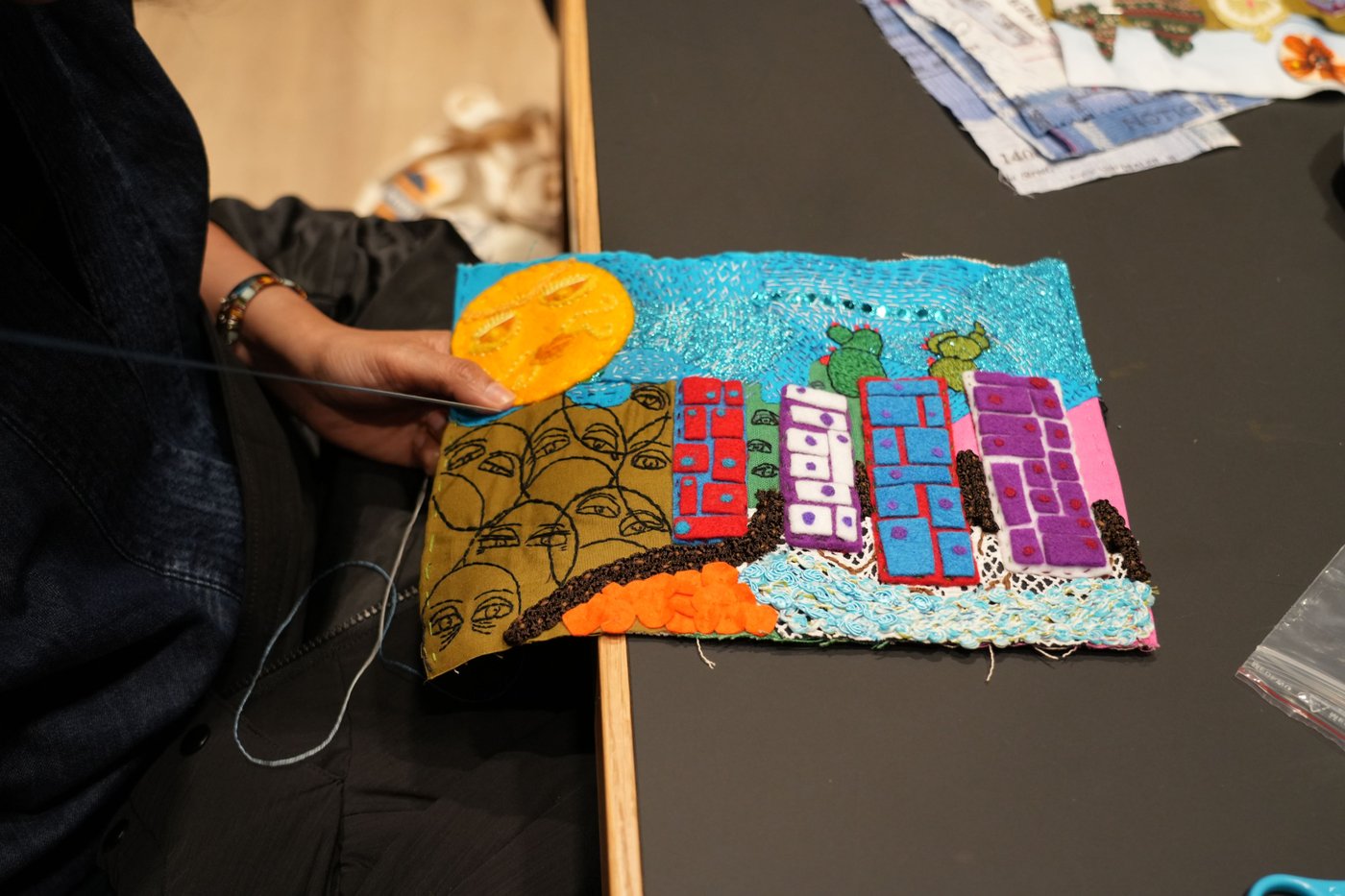
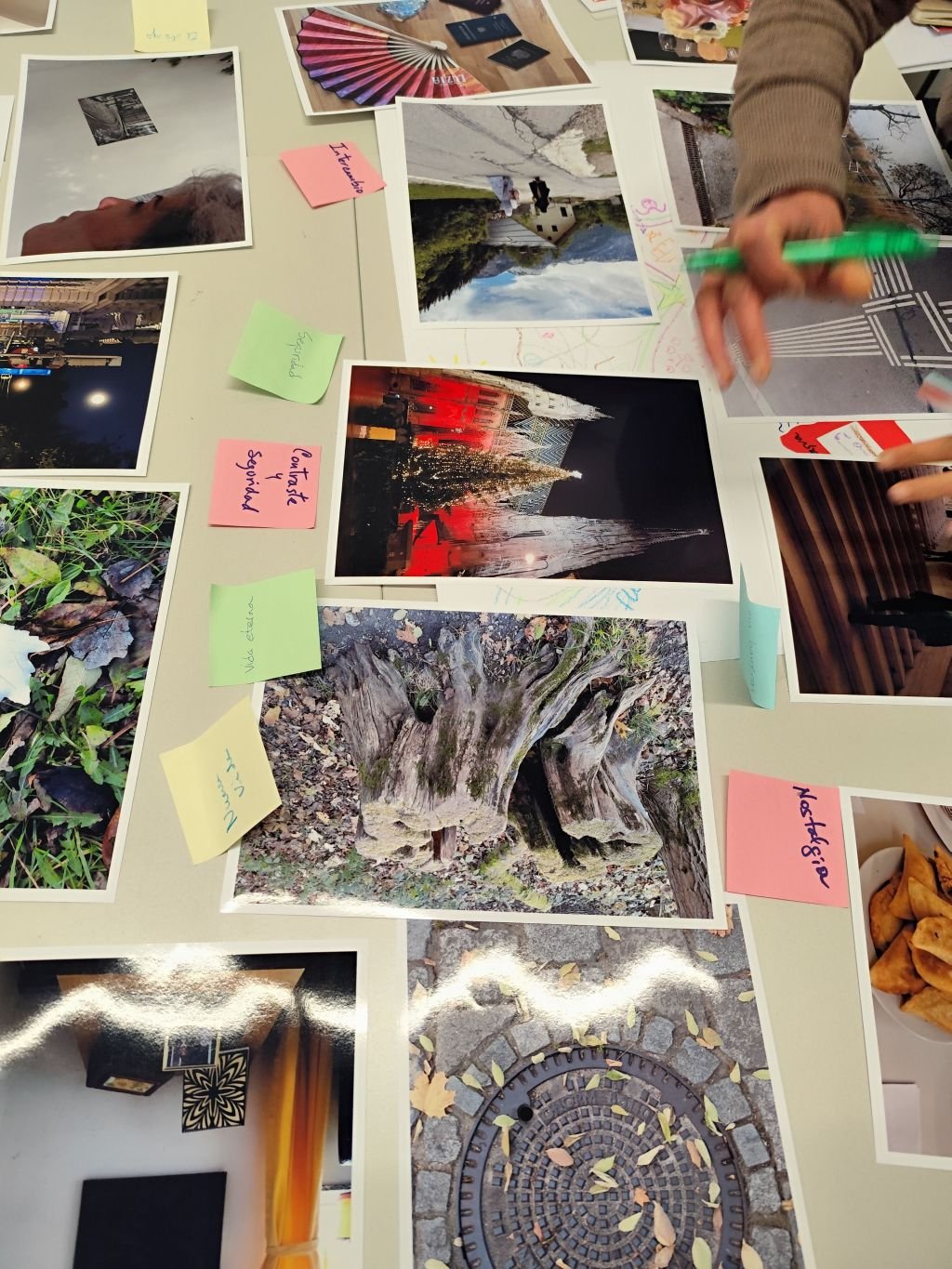
At its core are encounters, participation, and dialogues. People from around 20 countries in Latin America and the Caribbean—across different generations and with diverse life paths—have shared their stories in deeply personal ways: through interviews, photographs, documents, textile works, and guided walks through the city. The result is a new, multi-voiced archive that enriches Vienna’s historical memory with essential perspectives.
The exhibition draws on these collected impressions and makes them accessible to a broad audience. Its different chapters tell stories of living between multiple worlds, of holding on to one’s roots, and of starting anew in an unfamiliar environment. They document significant places of the Latin American–Caribbean communities in Vienna and reflect the thoughts and emotions that emerge when people come together who share a common—yet profoundly personal—migration experience.
Curators:
Marcela Torres Heredia, Michaela Kronberger, Cati Krüger mit Russel Altamirano, Carla Bobadilla, Rayen Cornejo Torres, Marlene Galaz, Ümit Mares-Altinok, Berthold Molden, Natalia Muñoz, Gabriela Urrutia Reyes, Eliana Varela, Leonardo Schmidt, Lorena Tabares Salamanca, Diana Ventura.
Cooperation Partner:
Österreichisches Lateinamerika-Institut (LAI) / Wiener VHS, Overall project leader: Berthold Molden (Österreichisches Lateinamerika-Institut)
Academy of Fine Arts Vienna, Project leader: Carla Bobadilla, Institute for Education in the Arts
Supported by:
EU-funded project (CERV Program)
Co-funded by the European Union. Views and opinions expressed are however those of the author(s) only and do not necessarily reflect those of the European Union or the European Education and Culture Executive Agency (EACEA). Neither the European Union nor EACEA can be Held responsible for them.