Blended Intensive Programme (BIP) Mental Health in Higher Education at the Academy of Fine Arts
The Blended Intensive Programme (BIP) “Mental Health in Higher Education” in the framework of Erasmus+ took place in Vienna for the second time from April 13 to 17. It brought together 22 lecturers as well as colleagues from administration and counselling working in higher education.
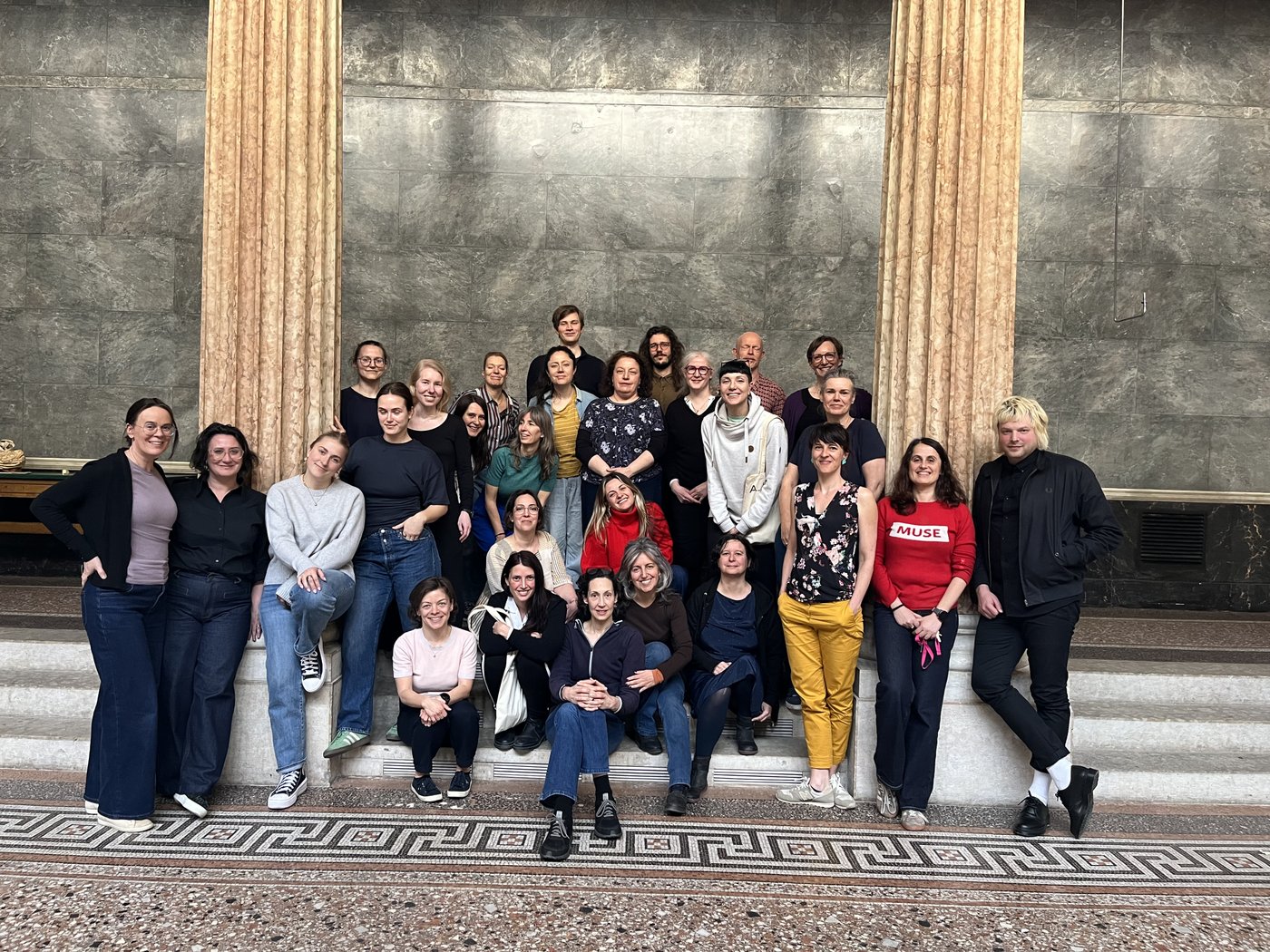
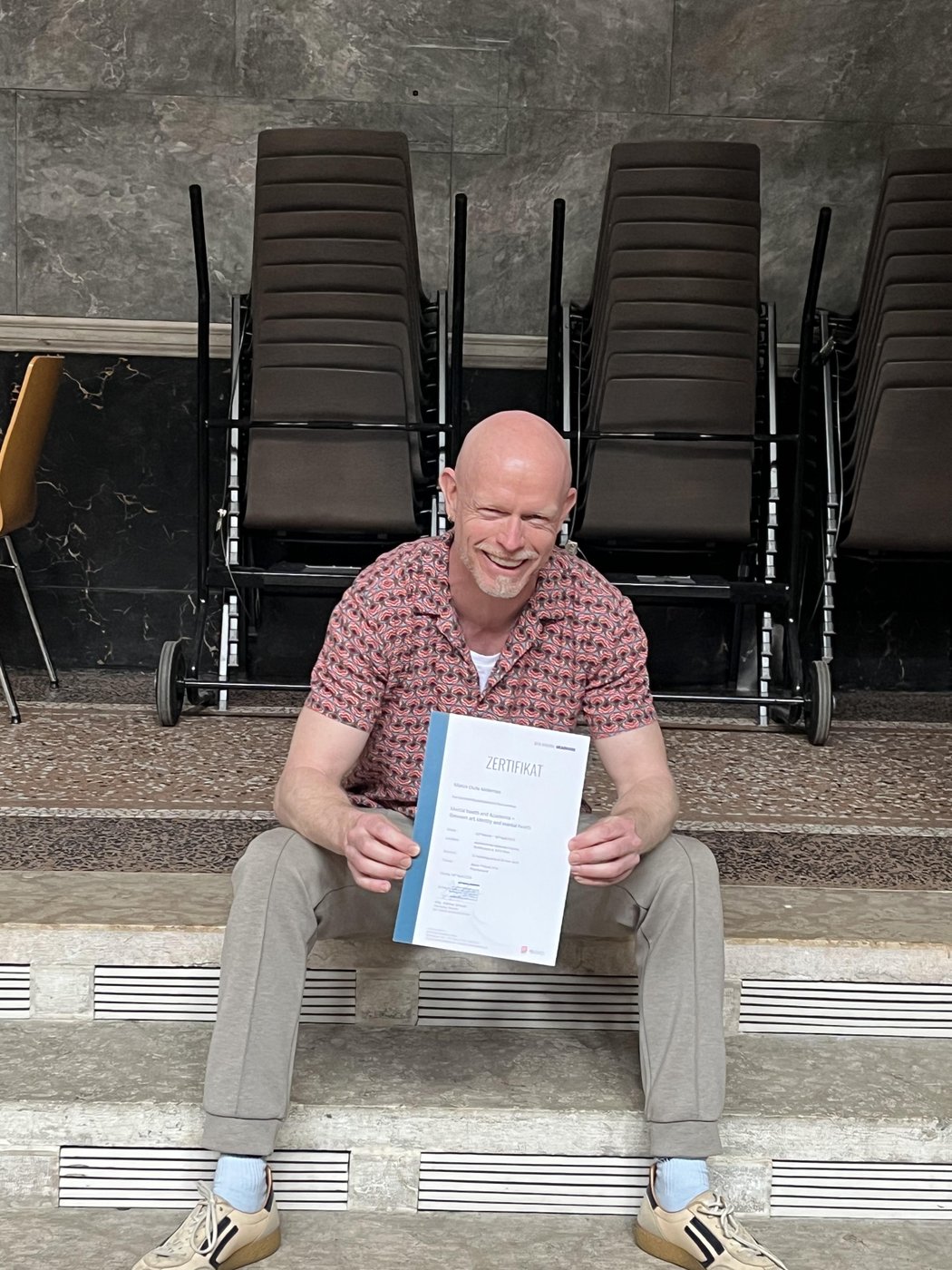
Participants came from numerous European countries, including Spain, Slovakia, Germany, the Netherlands, Bulgaria, Belgium, Romania, Norway, Estonia, France, and Italy, representing various partner universities. It was particularly encouraging that three colleagues attended for the second time, underlining the programme’s sustained relevance and quality.
The seminar focused on the theme “Mental Health and Academia – Between Art, Identity and Mental Health.” Universities were described as spaces that foster intellectual development, creative expression, and identity formation, while also being shaped by high performance expectations, uncertainty, and psychosocial stress. Students’ mental health challenges were explored as complex phenomena that place specific demands on counselling, support, and communication in everyday university life.
The programme addressed a range of key topics, including the role of art and creativity in identity development, personality disorders in student life, substance abuse as both a coping strategy and a risk factor, and psychotic crises and their intervention. Another focus was on neurodivergence and the structural challenges it presents for higher education institutions.
In addition to the academic programme, great importance was placed on cultural exchange and shared experiences. Participants took part in guided city tours of Vienna and gained insights into the Academy through a guided tour, as well as visits to the Plaster Cast Collection and the Picture Gallery, which provided additional inspiration at the intersection of art, identity, and mental health.
Participants had the opportunity to deepen their understanding of mental health in the university context and to expand their skills in dealing with students under stress. Particular emphasis was placed on developing systematic communication strategies and maintaining professional boundaries. The international exchange also enabled an in-depth comparison of institutional frameworks and proven approaches.
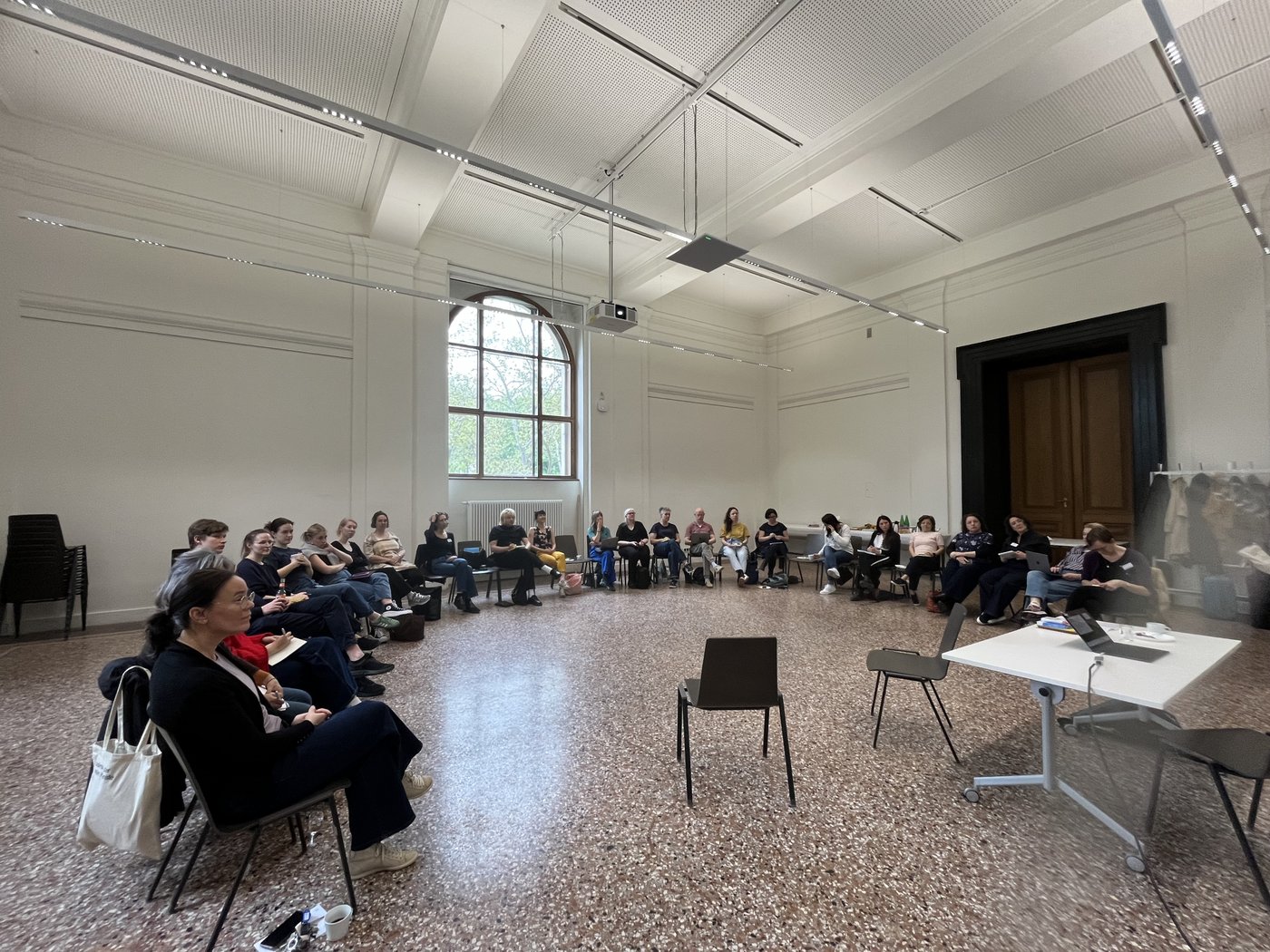
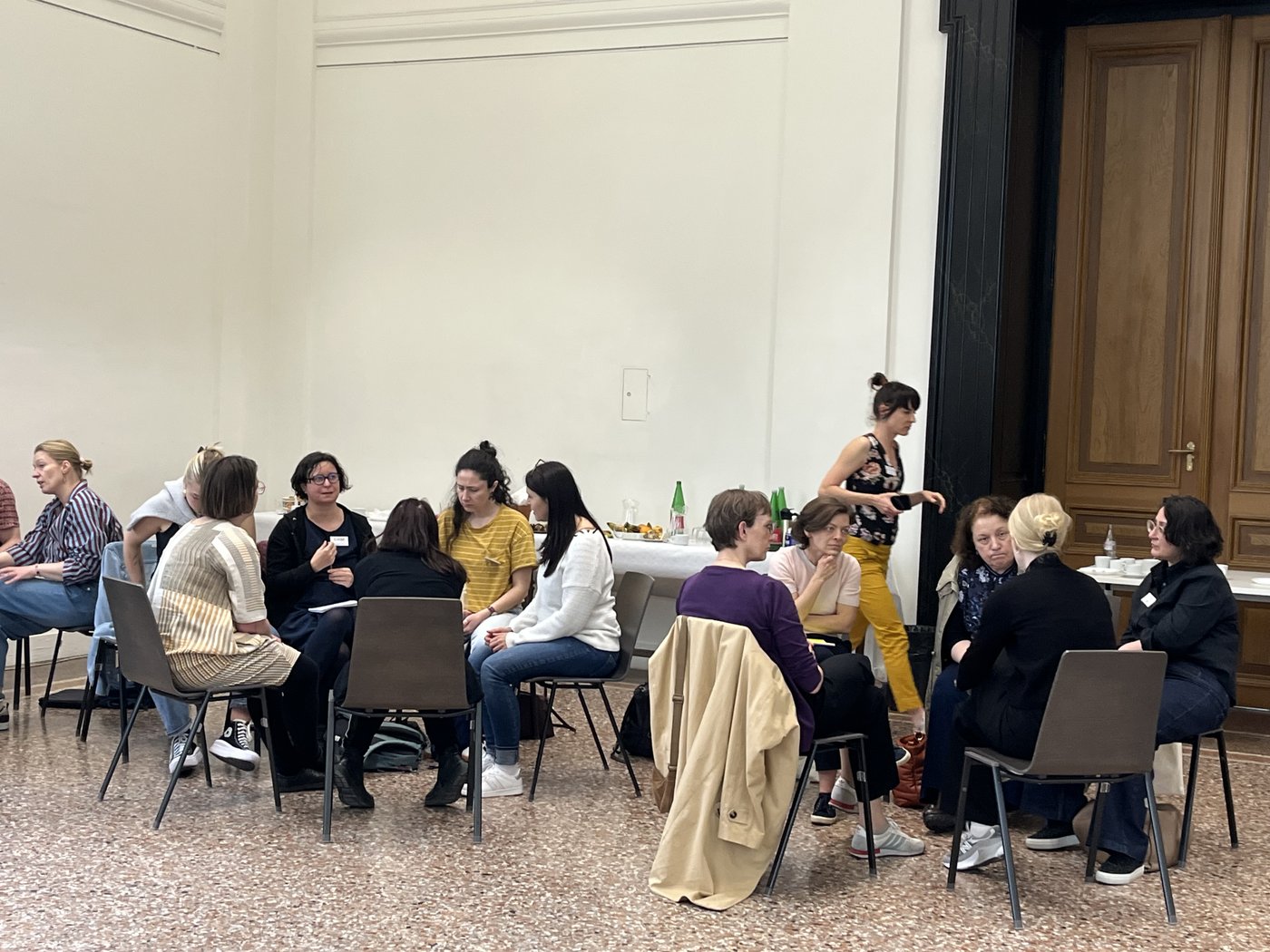
Methodologically, the seminar followed an interactive approach, including open discussions, group exercises, role-playing, and collaborative work on real case studies provided by participants. This practice-oriented format fostered not only knowledge transfer but also networking between institutions.
Overall, the BIP provided a valuable platform for professional exchange, reflection, and further development in the field of mental health in higher education, making an important contribution to strengthening professional competencies in an increasingly relevant area of work.