Residency in Cairo: Marlene Coates shares her impressions
From April to May 2026 Marlene Coates spent two months in Cairo, Egypt, as an artist-in-residence. In collaboration with the Austrian Cultural Forum in Cairo (ACF), the Academy of Fine Arts Vienna, and the Federal Ministry of Housing, Arts, Culture, Media, and Sports, the residency in Cairo was open to graduates of the Academy.
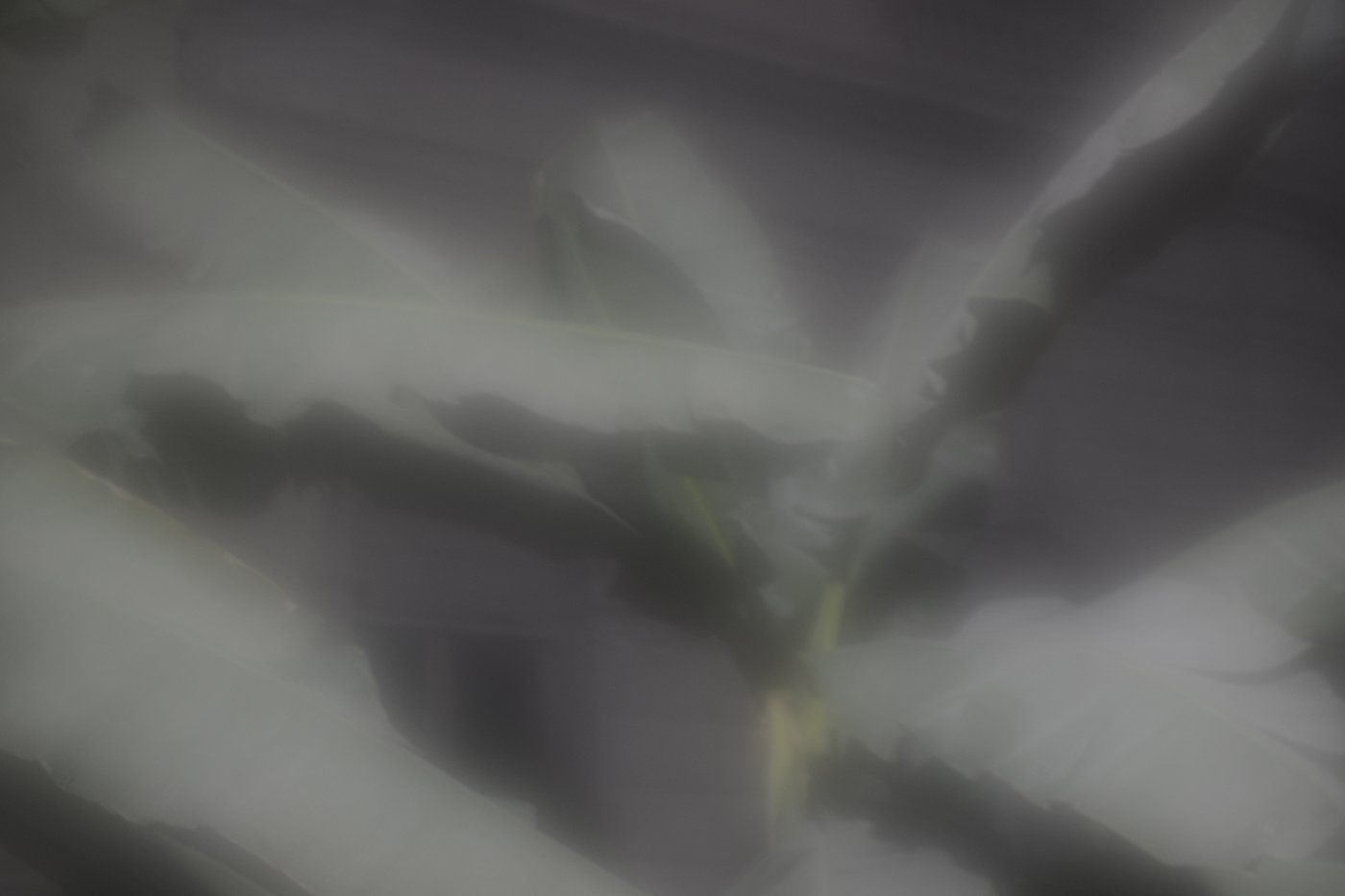
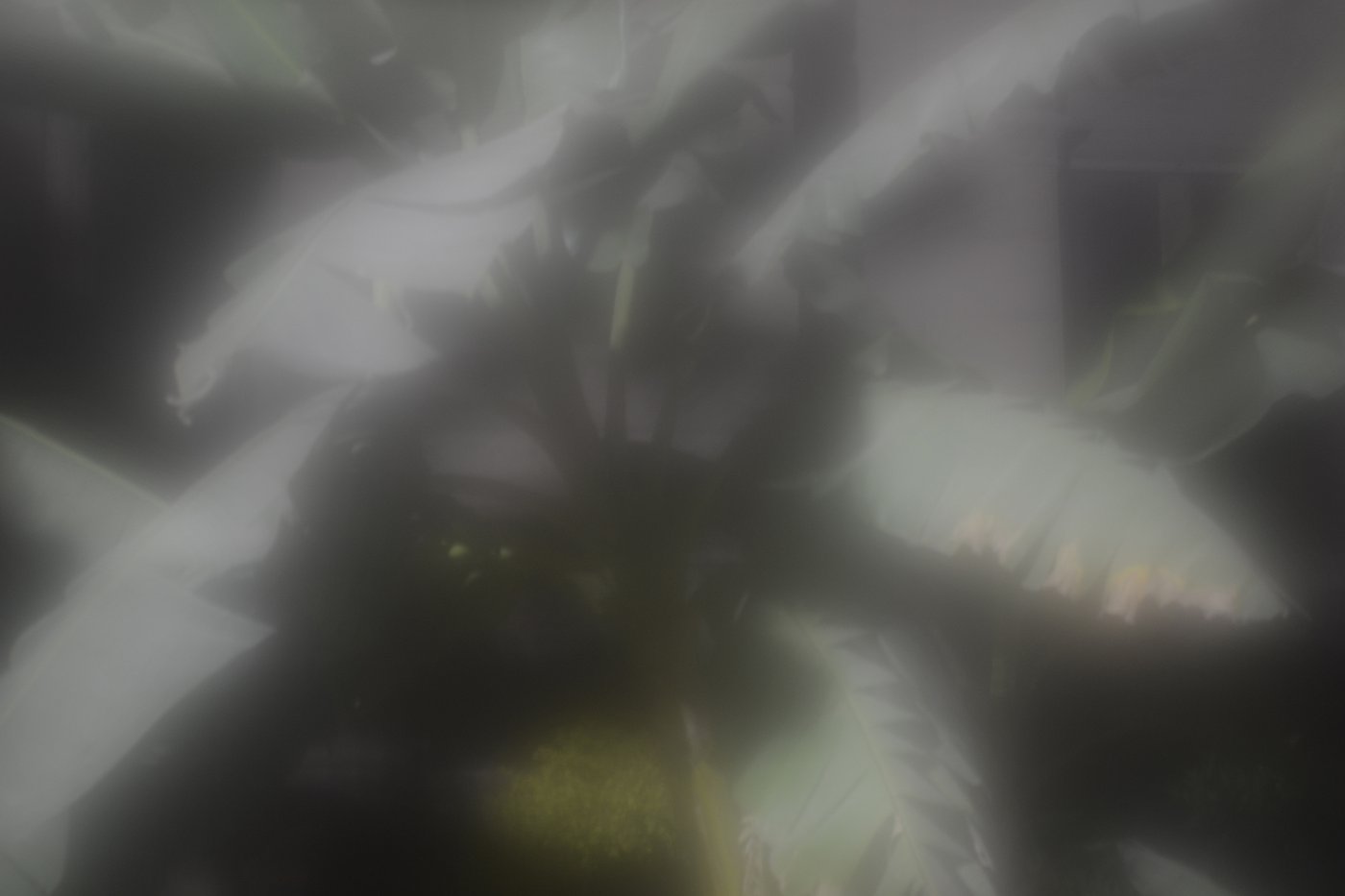
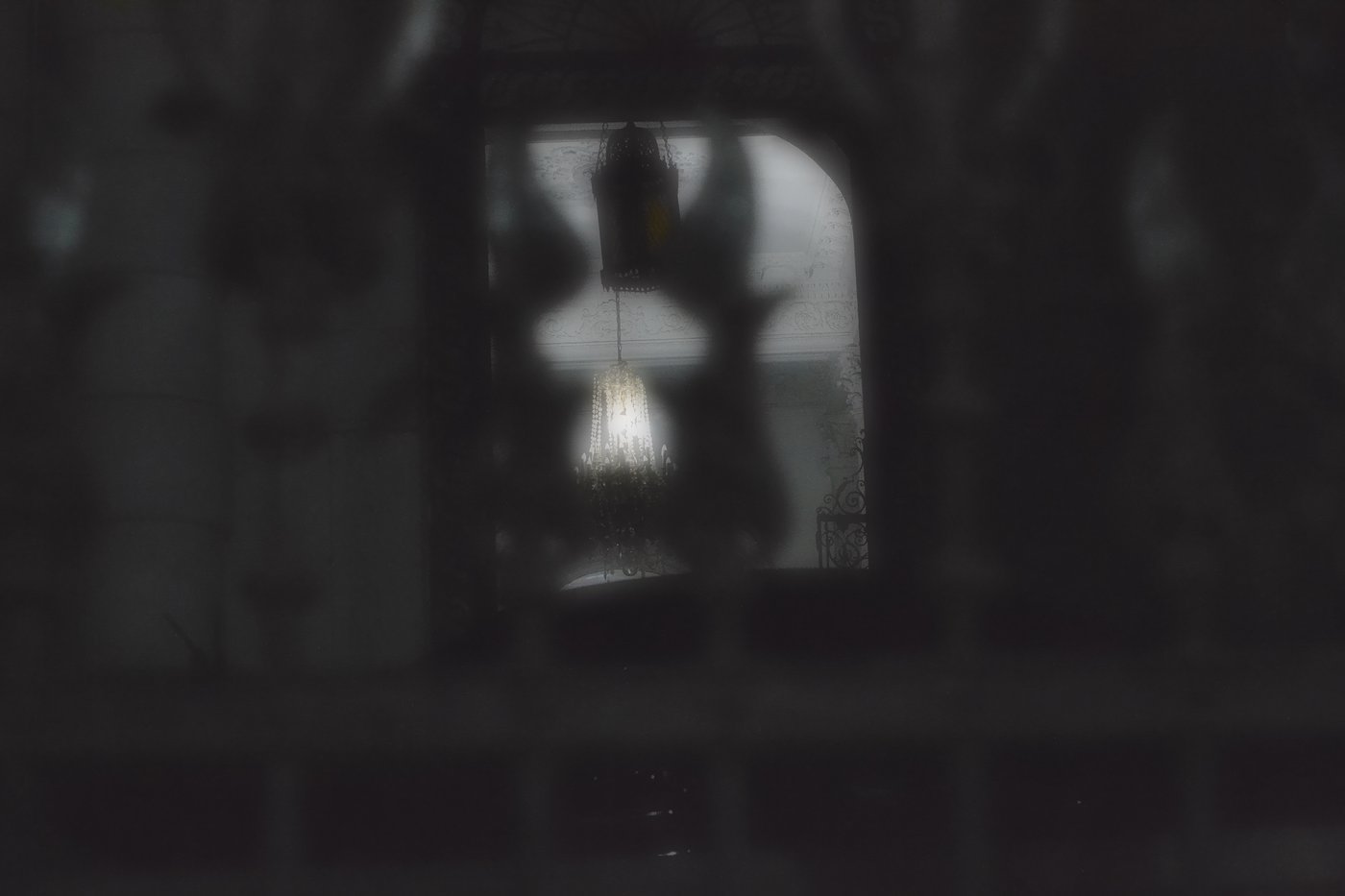
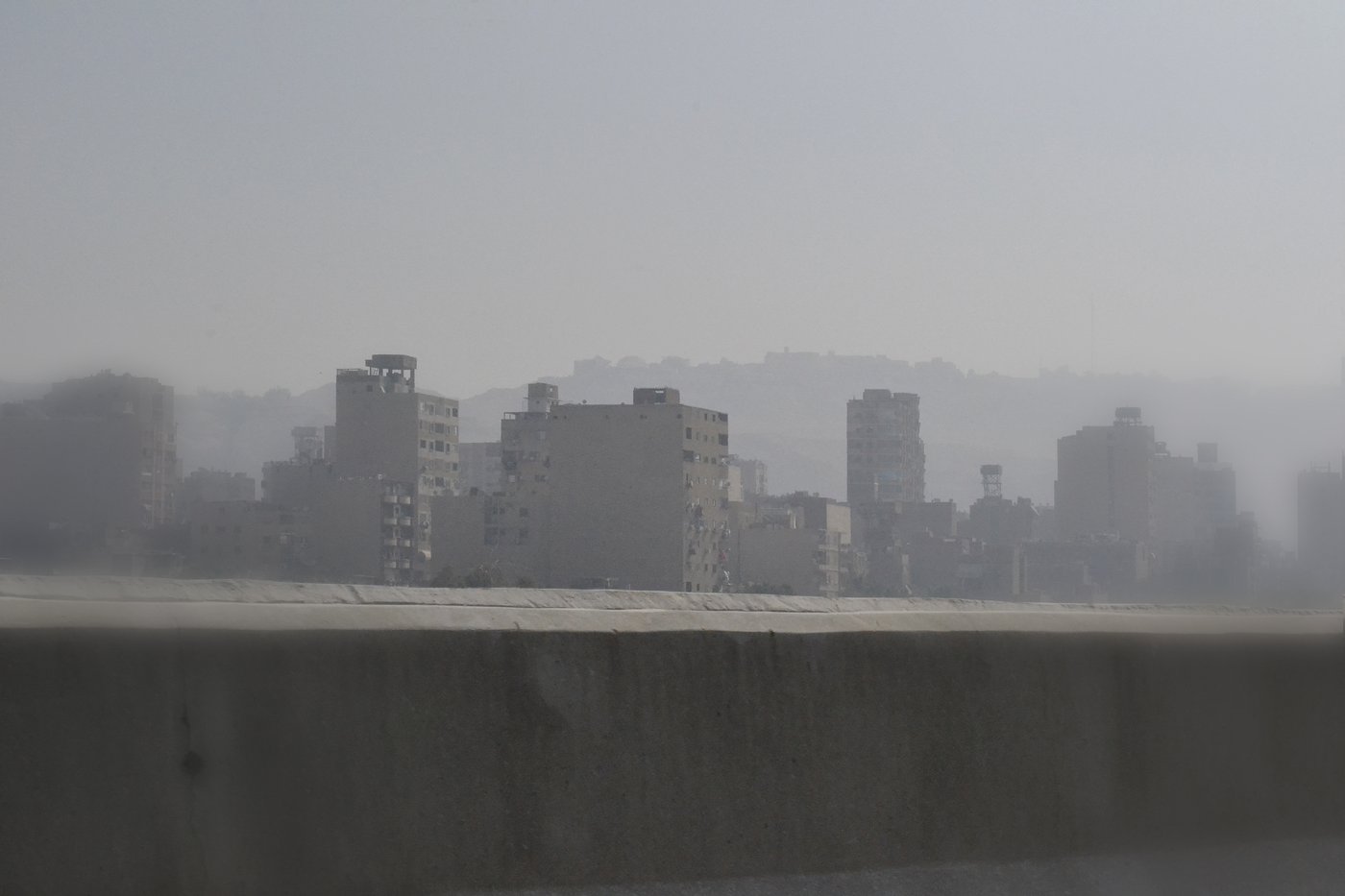
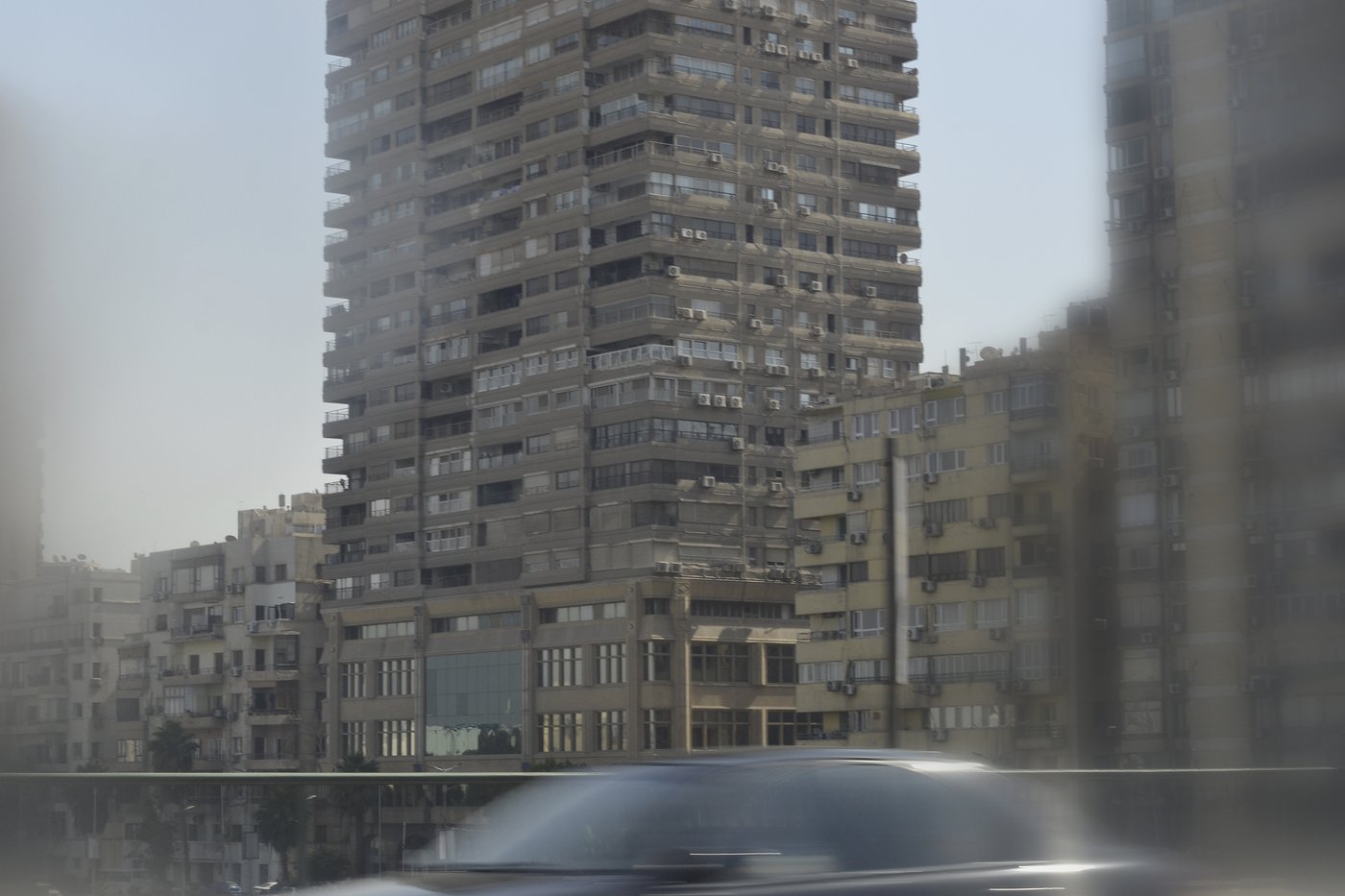
Coates lives and works in Vienna. In her artistic practice, she explores embodied memory, apparitions, and sedimented afterimages. In 2025, she graduated from the Academy of Fine Arts Vienna under Iman Issa. She describes her impressions of Cairo in the following text:
Allowing for presences that elude visibility, abandoned buildings possess a special kind of allure. They are uncanny in the sense that they combine the familiar and the domestic with a sense of alienation, since the building has been stripped of its original function. A contrast emerges between the domestic familiarity that remains and the emptiness that puts it into perspective.
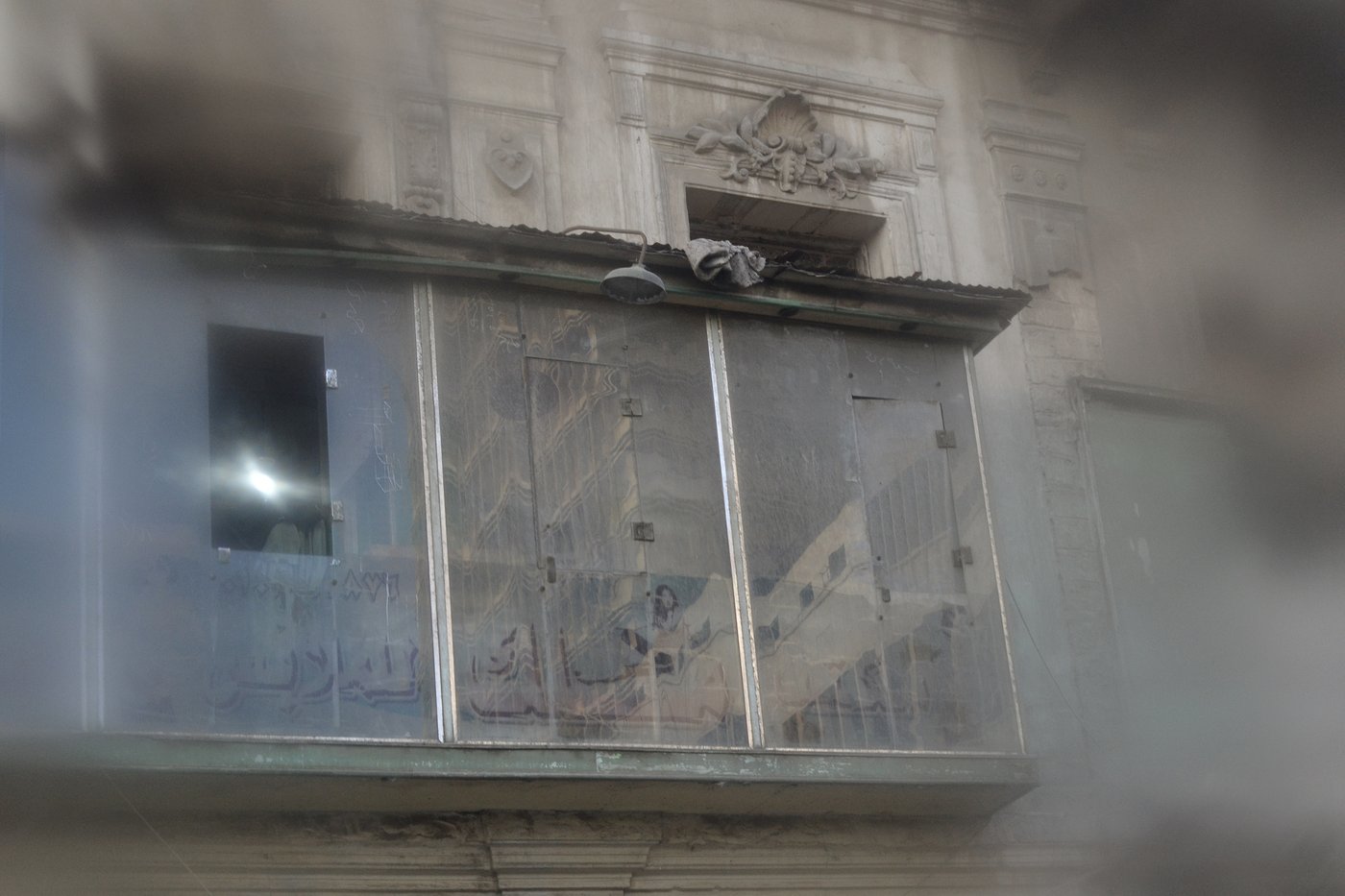
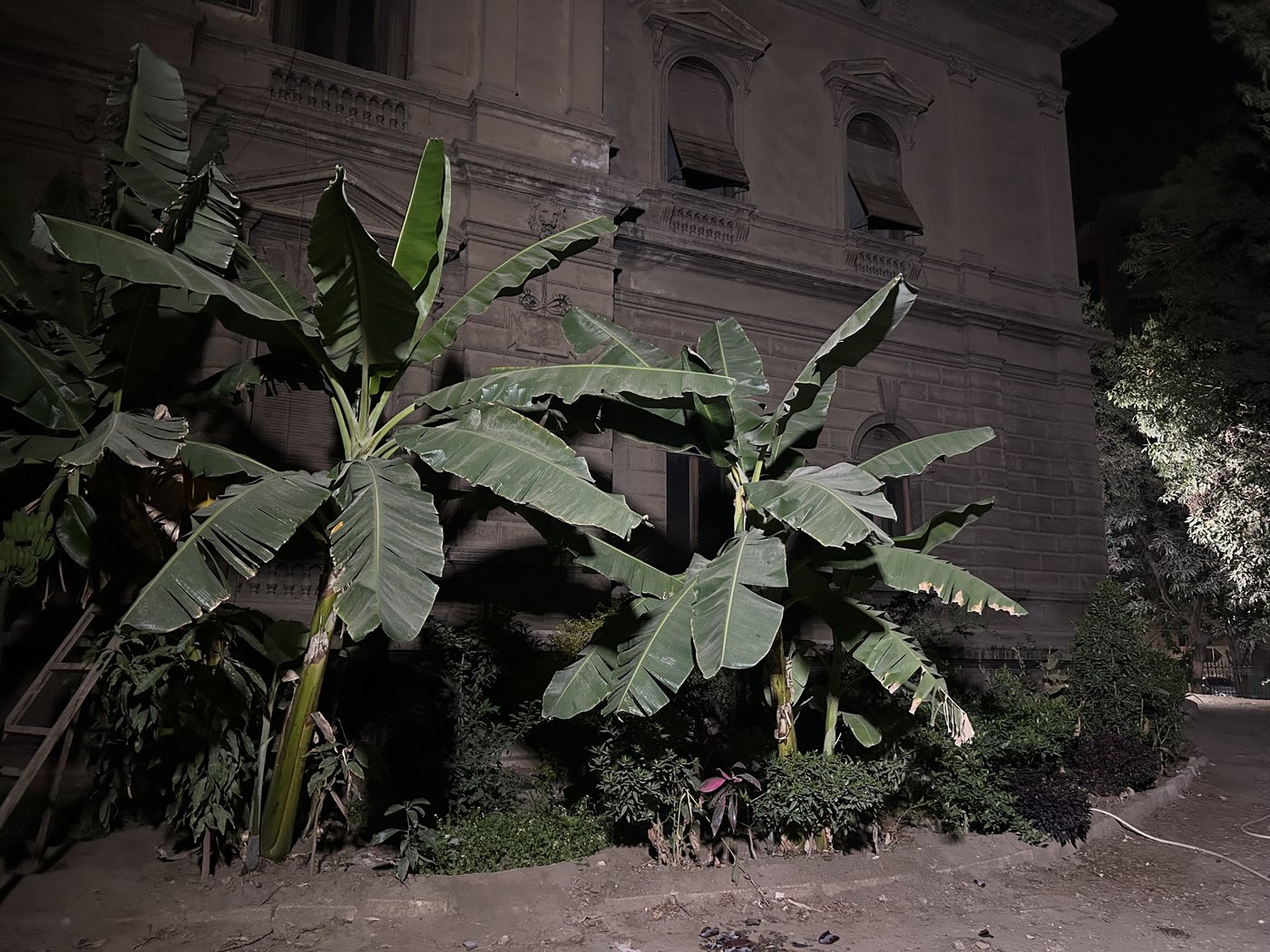
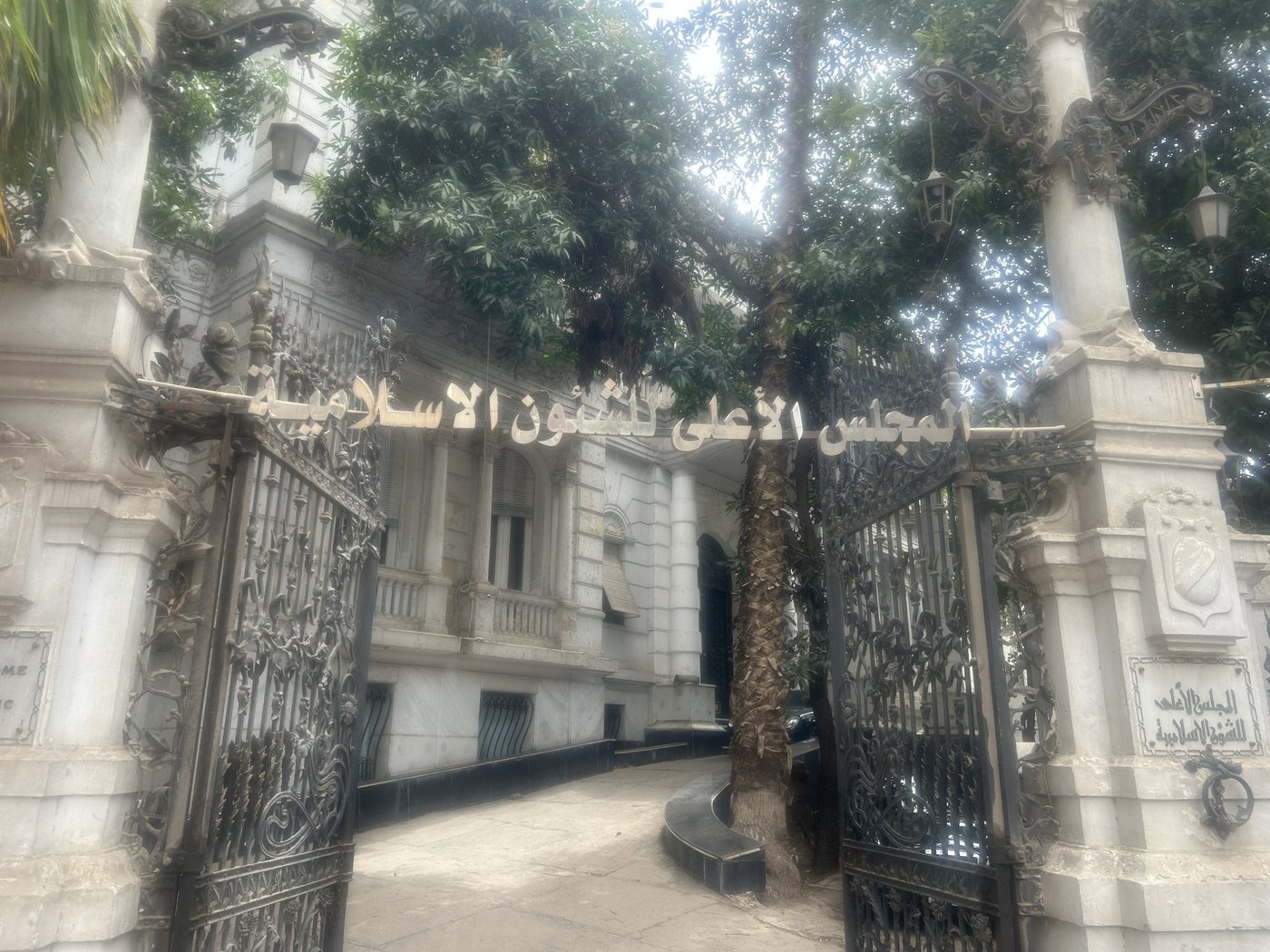
In some streets of Garden City, a district of Cairo, one can find several abandoned, colonial-style buildings that are difficult to date or classify architecturally. One of them I passed by quite often. It was built in the early decades of the 20th century, initially leased to a foreign embassy, confiscated by the occupying administration during World War I, later sold to a school, before finally passing into the ownership of Egyptian families and standing vacant since the death of its last resident.
Trying to capture this atmosphere, one can approach it through photography, though direct photography is not permitted. The houses appear like movie settings: architecture that seems designed for a plot that is not shown. Speculating about what might have happened, the real space shifts into a fictional one.
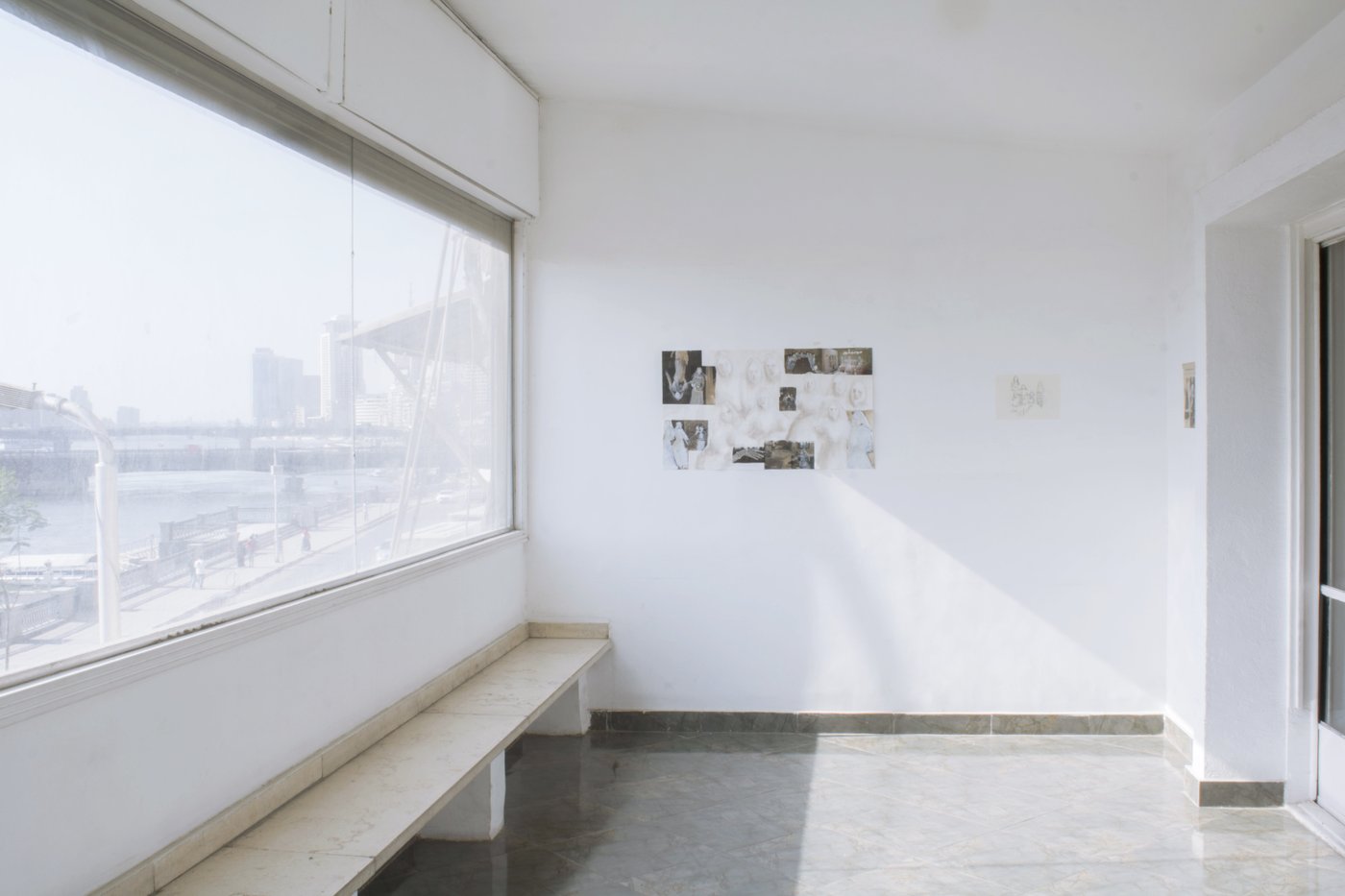
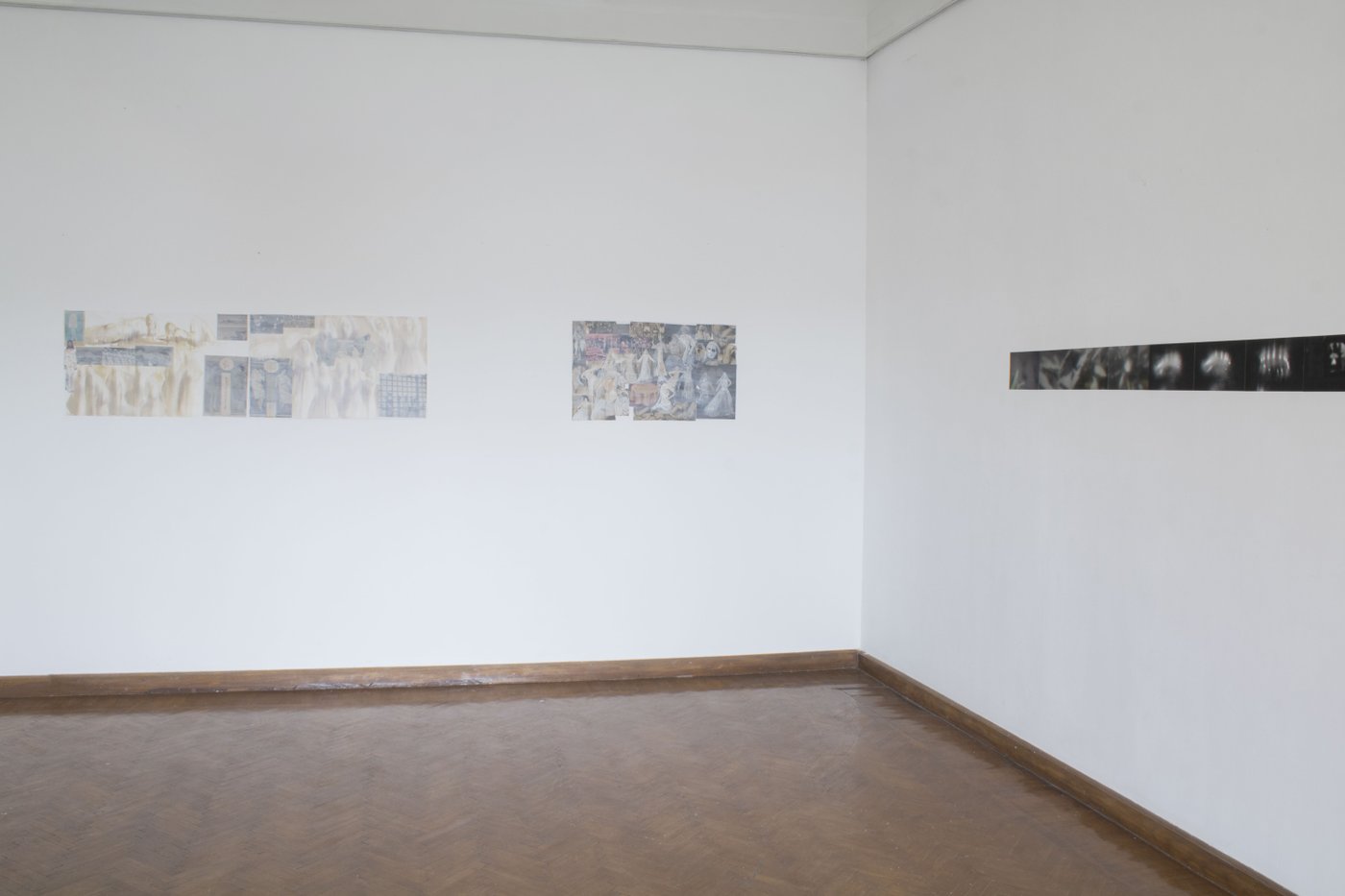
The idea of speculation in the context of storytelling through images led to another way of working. At local book markets, I began collecting newspapers and fashion magazines from the 1960s to 80s, building new pictorial spaces with the cut-outs. By collaging and painting over the newspaper clippings, I created a series in which ghostly figures inhabit new, fictional spaces. A form of storytelling through images that does not follow the logic of photography, but rather that of montage: different times, different visual worlds that, when juxtaposed, give rise to a new narrative.
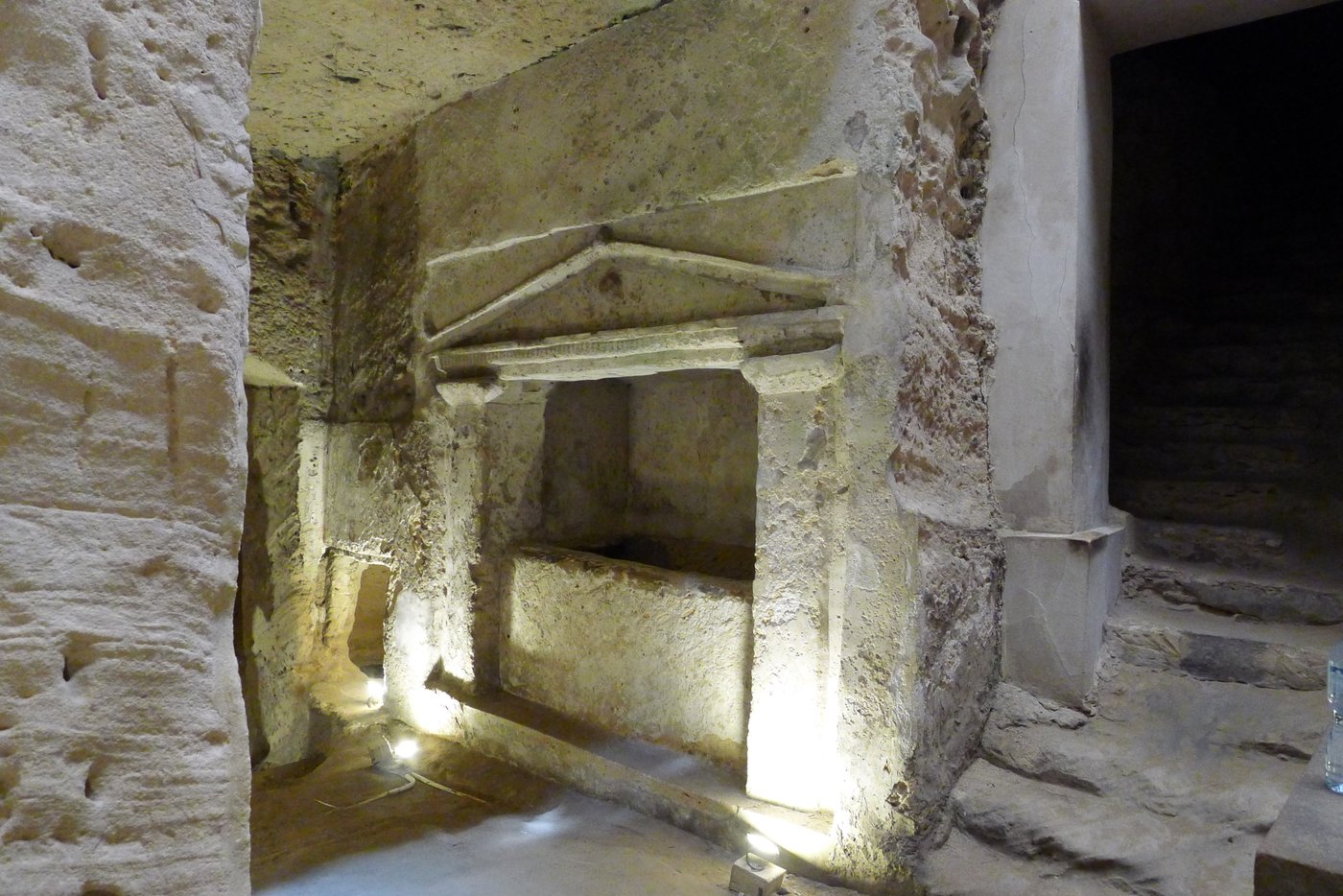
The question of storytelling through images also led me to explore the architectural frieze as a narrative form. This involved visiting museums, temples, and burial sites where friezes and reliefs from various eras can be seen. When observing these artifacts, I ask myself not only what they tell us, but above all, how they tell their stories. It often seems less like a linear sequence of events and more like a narrative that emerges from the simultaneity of different moments.