On the Art of Disappearance and the Urge to Preserve
FWF | PEEK
led by Paul Julien Anxionnaz Robert, Institute for Fine Arts
Duration: 1.5.2026 – 30.4.2029
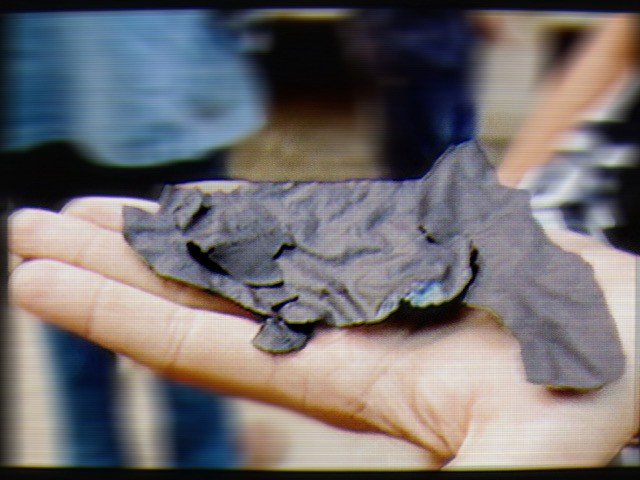
Ash is an overdetermined substance in our cultural space. It is bound up with grief, but also with the knowledge that even as things pass away, a remainder always persists – which is what links ash to the archive.
In relation to this specific project: the Ash Paintings are Otto Mühl’s violent appropriation and destruction of the personal writings of the former Friedrichshof communards. Fearing that these writings contained evidence that could be used against him, Mühl intervened destructively in the process of self-archivization of the sect. Everything was first to be recorded, collected, preserved – twenty years of "commune"/sect history. But only what fit Mühls version of events. Everything else had to be destroyed. And yet, because nothing can be destroyed entirely, Mühl appropriated the ash for his "art".
In our effort to make the archive and collection at Friedrichshof accessible for scholarly research, we want precisely the opposite: not appropriation, but an opening toward many perspectives. Yet this desire is contested. It feels threatening. So threatening that some might perhaps prefer to see everything go up in flames. Fire renders what remains almost unrecognizable. What, then, is left to archive?
In a research laboratory, former members are invited to share what found no place in the official archive: silenced memories, taboo experiences, stories that were suppressed, or written down and then destroyed. From this, memory capsules emerge – audio, video, encounter, present-day perspective.