The Complexities of Clothing in Gendered Practices. A reflection on the intersections of art and activism.

A lecture by Karina Roosvita, organized by Stefanie Wuschitz as part of the FWF project V994 (Elise Richter PEEK), www.perma.at.
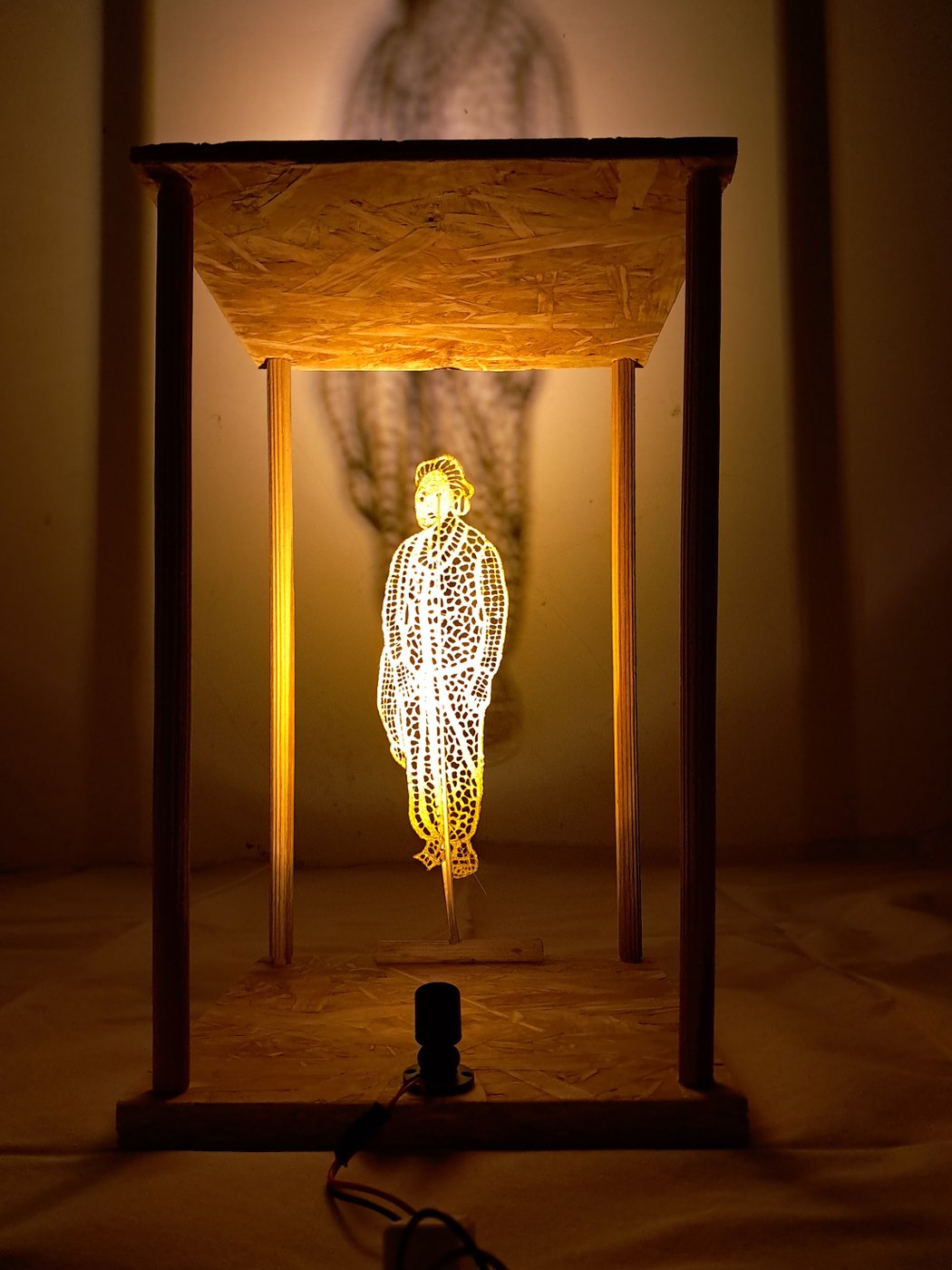
This presentation examines how clothing works as a structure of power within historical, cultural, and transnational gender politics. Since 2019, Karina have engaged with clothing across different contexts, from everyday use to diplomatic staging and national traditions, to understand how clothing mediates cultural and political identity.
It began with Karina’s research on the Sarong (2019–2020), which revealed that the Sarong, although almost identical to a skirt, is legitimized as masculine clothing through religious authority, patriarchal norms and social consensus. Through The Tea Party Project (2022) her next research examines the erasure of women in Asia Africa Conference 1955 history - while women traditional clothing continued to function as cultural diplomation. Karina expands the research through her residency in Graz (2024), where she learned that traditional clothing in the Austria has become a signifier of conservatism and national trauma, in contrast to the Global South, where kebaya and sarong are tied to class struggle and egalitarian politics.
These trajectories developed into "The Shadow of Being" (2025), an embroidery and light installation works that highlights women whose identities revealed through "The Tea Party Project". Drawing from photo archive, Javanese Wayang philosophy, and Naoko Shimazu’s concept of staging diplomacy, the work brings forward those erased history.